Imagine an all-in-one device that gives risk indicators for 16+ important diseases in under two minutes, with high accuracy thanks to AI, an all-in-one preventive health check at one-tenth of the cost. We have what you need.
We are the official international distributor for a Singapore AI-based company. Its technology, backed by substantial public R&D government funding and ten years of research, provides risk indications for diabetes, cardiovascular & stroke disease with 10-year risk, chronic kidney disease, hypertension, dementia, cataract, glaucoma, age-related macular degeneration and more, within seconds.
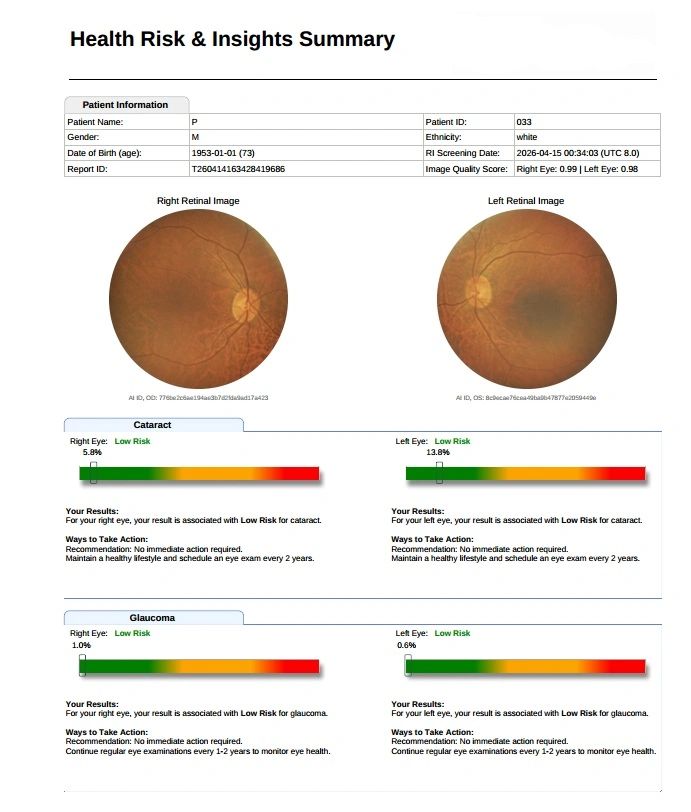
A report of risk indicators across 16 systemic and ocular conditions, from a single retinal image, in less than two minutes. Fast, non-invasive, patient-friendly.
Healthcare today is largely reactive: diseases are treated once symptoms appear, often at an advanced and costly stage. Prevention at population scale was simply too expensive. Oculomics changes that. The eye is the only place in the body where blood vessels and nerves can be observed directly, non-invasively, in seconds. Thanks to the work of more than 70 scientists over the past ten years, AI can now read those signals and turn a routine eye scan into an affordable, whole-body risk assessment.
Compatible with any connected fundus retinal camera, no dedicated hardware lock-in.
Our fundus retinal camera is CE and FDA approved.**
Retinal images and clinical inputs are analysed in the cloud, hosted on ISO 27001 / SOC 2 certified cloud infrastructure. New risk indicators are added without replacing hardware.
An AI-enabled Clinical Decision Support Software (CDSS): risk indicators inform clinical awareness and referral, final decisions always remain with the health professional.
Some of the AI models have been validated in The Lancet Digital Health, The New England Journal of Medicine and Nature Aging, among others.
One scan replaces a battery of separate screening tests, enabling affordable mass prevention for governments, insurers and providers.
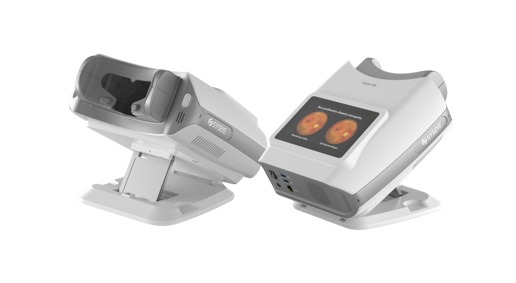
Non-invasive · No pupil dilation required · High-resolution imaging · Compact & portable · Automated · Real-time processing · CE & FDA approved.
The AI platform is a Clinical Decision Support Software for use by trained healthcare professionals; risk indicators support, they do not replace, clinical judgment.
Every figure below* is backed by published or peer-reviewed research. AUC measures how well the AI separates at-risk from healthy patients; sensitivity and specificity indicate how reliably it catches true cases and avoids false alarms.

A sudden interruption of blood flow to the brain, the world's second leading cause of death and a major cause of long-term disability.
Why it mattersRetinal vessels mirror cerebral vessels; the AI reads early vascular changes to indicate 10-year stroke risk, when prevention still works.
Publication available late 2026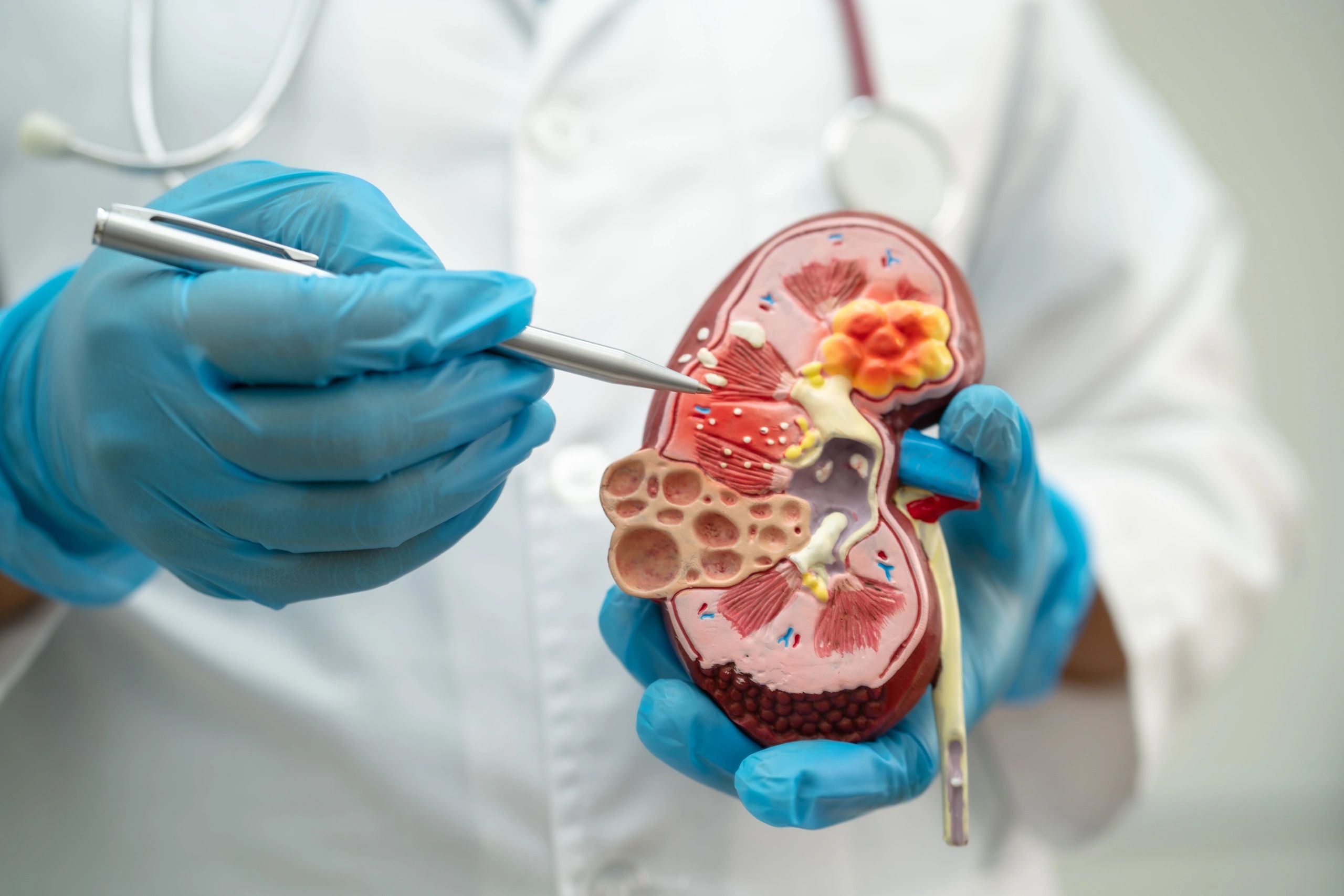
Progressive loss of kidney function that is usually silent until an advanced stage, when dialysis or transplant become the only options.
Why it mattersRetinal microvascular damage tracks kidney microvascular damage; a single scan indicates risk long before blood tests raise the alarm, supporting early referral.
Read the preprintA decline in memory and cognitive function, most commonly Alzheimer's disease, affecting over 55 million people worldwide.
Why it mattersThe retina is an extension of the brain; subtle neural and vascular changes visible in a scan can indicate cognitive risk years before symptoms.
Publication available late 2026
Heart attacks and related conditions, the leading cause of death globally, claiming nearly 18 million lives every year.
Why it mattersThe AI estimates 10-year cardiovascular risk from vessel calibre and geometry, supporting lifestyle and medical intervention before an event.
Read the study
A chronic metabolic disease affecting more than 500 million adults, of whom nearly half remain undiagnosed.
Why it mattersFast, needle-free risk indication for populations that never get tested, supporting early confirmation and treatment.
Read the study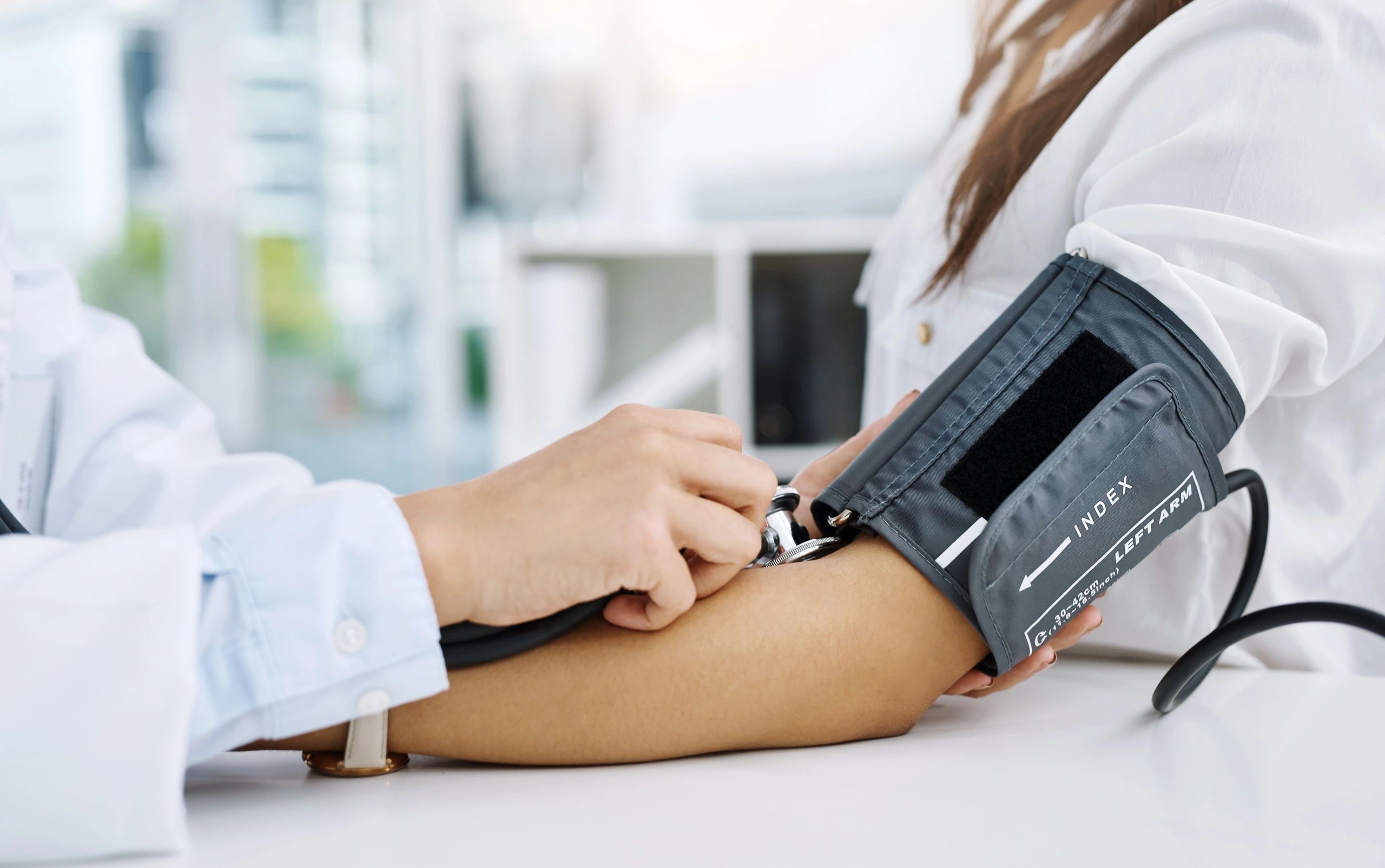
"The silent killer": high blood pressure damages organs for years without symptoms and drives stroke, heart and kidney disease.
Why it mattersHypertensive changes leave visible marks on retinal arteries; the AI indicates risk in seconds and supports referral for confirmation, without a cuff or a clinic visit.
published within the Diabetes studyRead the studyElevated blood lipids that silently build up in arteries and are a principal driver of heart attack and stroke.
Why it mattersLipid deposits alter retinal vessel appearance; risk indication at scale helps prioritise people who need a simple confirmatory blood test.
Publication available late 2026Fat accumulation in the liver, now the most common chronic liver disease worldwide, largely undiagnosed until it progresses.
Why it mattersUnder validation, the aim is to bring liver-risk awareness into a routine eye scan for the first time.
Publication available late 2026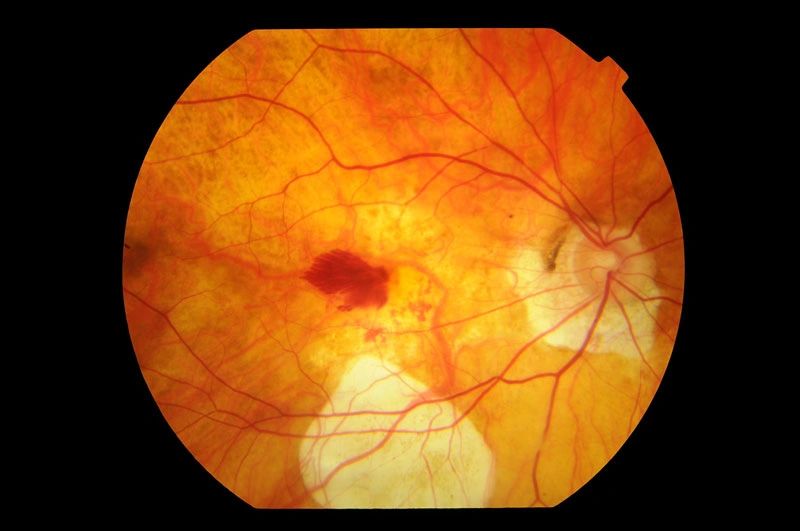
Damage to the central retina caused by severe myopia, a leading cause of irreversible vision loss in Asia.
Why it mattersEarly risk indication supports timely referral and treatment that can slow progression and preserve central vision.
Read the study
Severe short-sightedness that stretches the eye and dramatically increases lifetime risk of retinal detachment, glaucoma and MMD.
Why it mattersIndicating high-myopia risk early, especially in children and young adults, supports monitoring and control before complications set in.
Read the study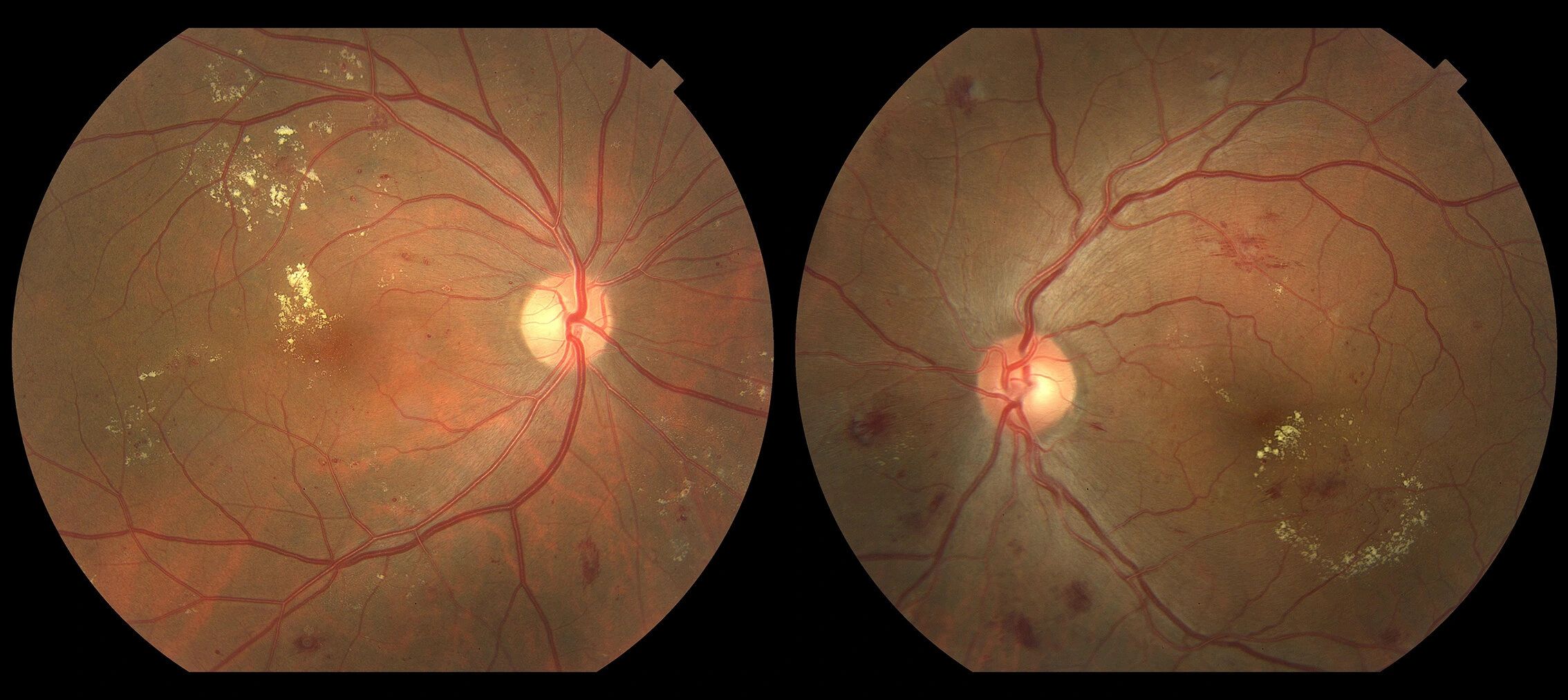
Diabetes-related damage to retinal vessels, the leading cause of preventable blindness in working-age adults.
Why it mattersAnnual screening is recommended for every diabetic patient but rarely done; automated risk indication supports it everywhere, at scale.
Read the studyFocusing errors (myopia, hyperopia, astigmatism), the most common vision problems, affecting billions of people.
Why it mattersInstant assessment from a retinal image supports population-level risk indication where optometry access is limited.
Peer-reviewed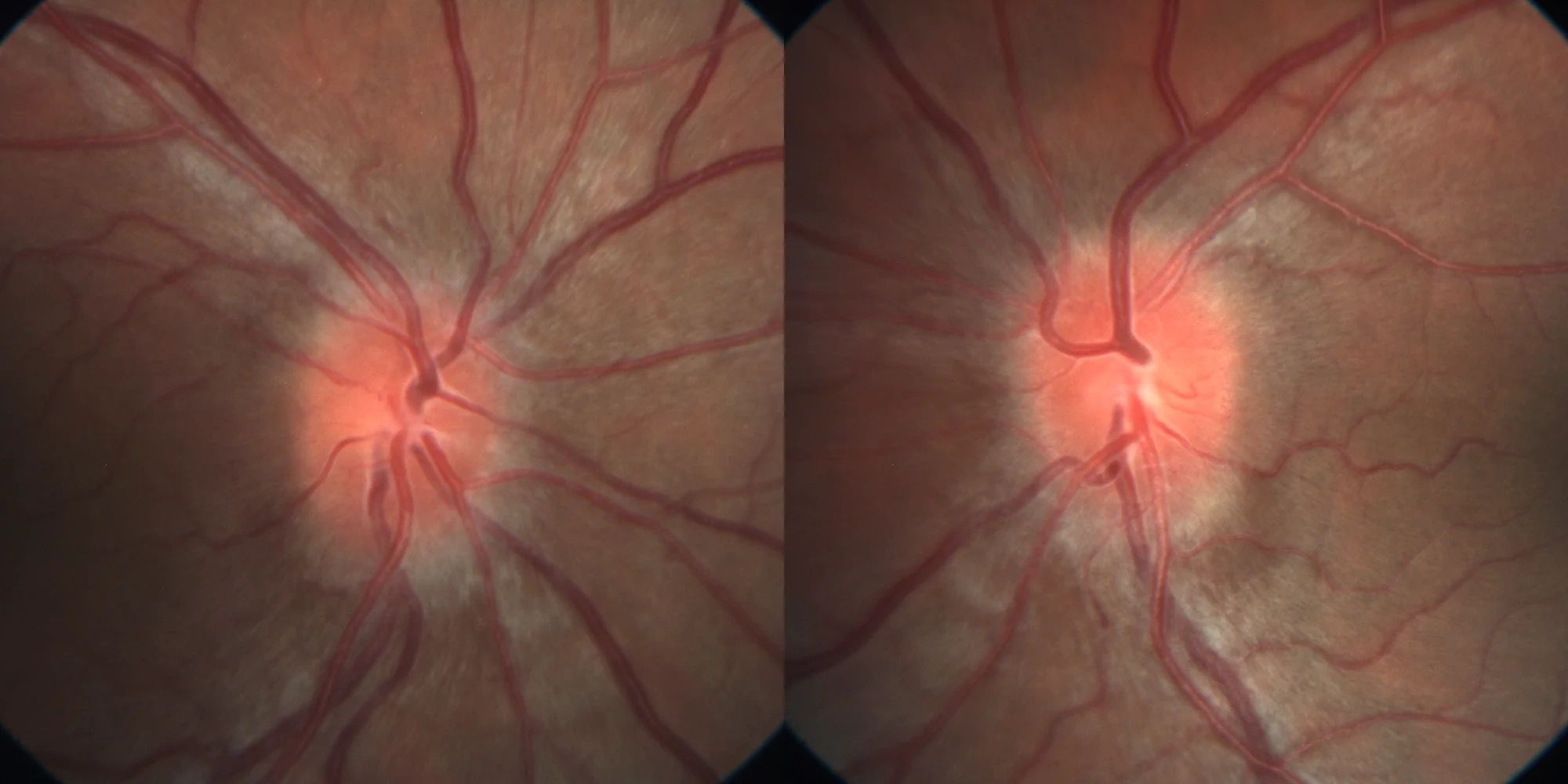
Swelling of the optic nerve head caused by raised pressure inside the skull, a potential sign of tumour, bleeding or hydrocephalus.
Why it mattersRisk indication from a fundus image can support urgent referral for a neurological condition that would otherwise be missed in a routine eye check.
Read the study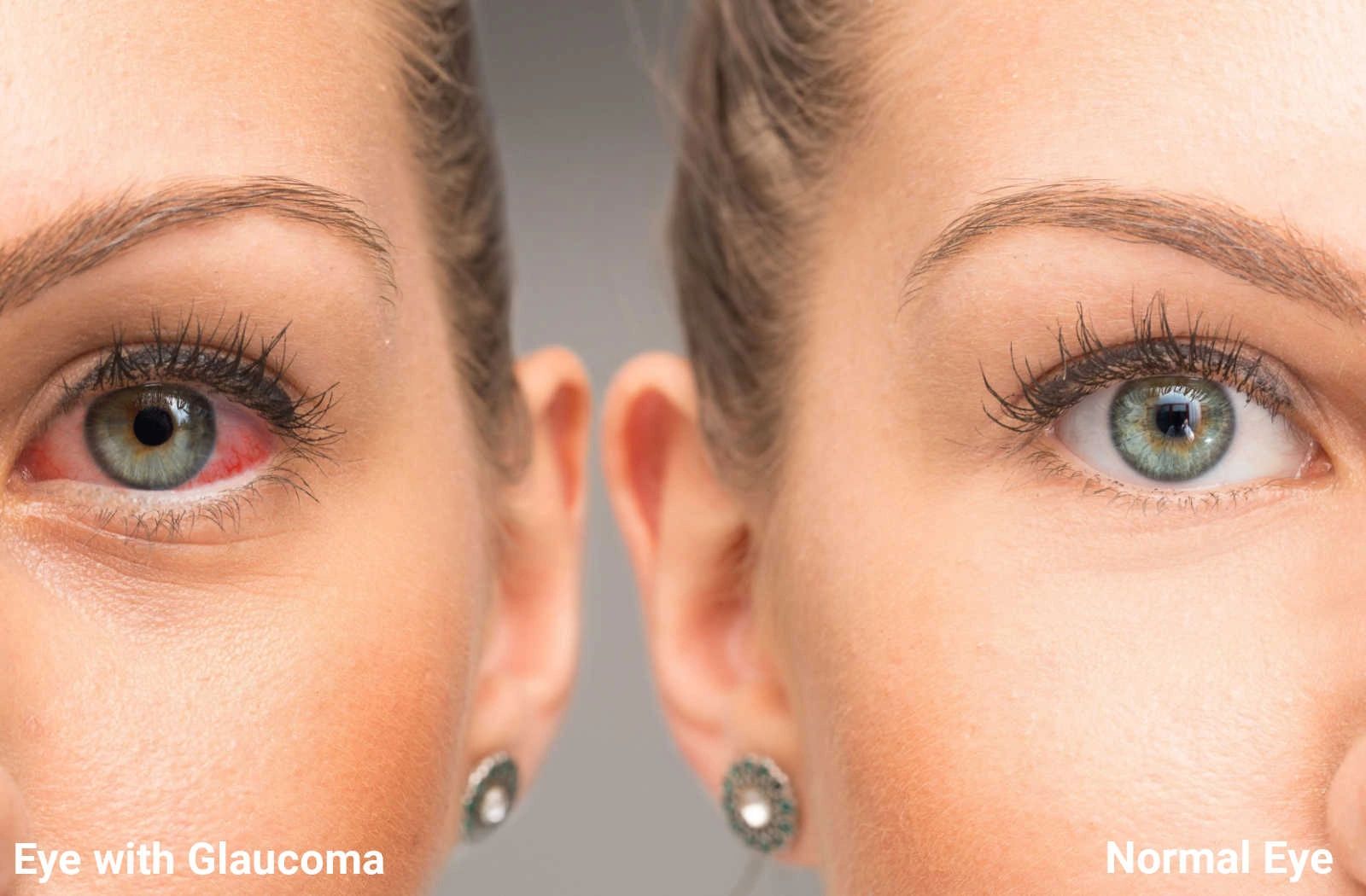
Optic nerve damage, usually from high eye pressure, the second leading cause of blindness, and painless until sight is lost.
Why it mattersHalf of glaucoma cases are undiagnosed; AI risk indication supports referral while treatment can still preserve vision.
Read the study
Reduced vision from any cause that cannot be fully corrected with glasses, affecting over 2 billion people worldwide.
Why it mattersA single scan helps prioritise who needs specialist attention, supporting care in under-served regions.
Read the study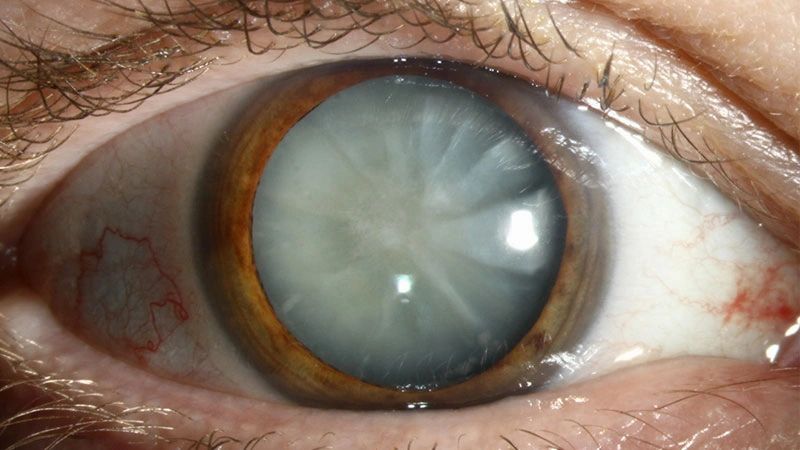
Clouding of the eye's lens, the leading cause of blindness worldwide, yet fully curable with a routine operation.
Why it mattersAutomated risk indication helps prioritise candidates for specialist assessment and helps health systems clear treatment backlogs.
Read the study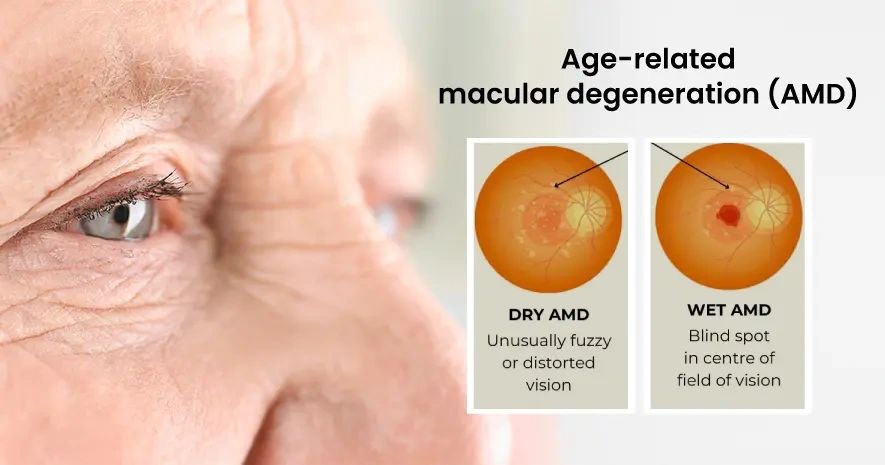
Deterioration of the central retina in older adults, the leading cause of severe vision loss over 60 in developed countries.
Why it mattersEarly risk indication supports treatment and lifestyle changes that slow progression and protect reading and driving vision.
Read the preprintFluid build-up in the central retina caused by diabetes, the most common cause of vision loss in diabetic patients.
Why it mattersTimely risk indication supports referral for sight-saving injections or laser treatment before permanent damage occurs.
Publication available late 2026* Performance metrics are subject to updates as new data becomes available. The availability of AI models on the software platform is at the discretion of the technology provider.
** The AI software is not yet CE- or UKCA-marked and is not available for clinical use in the European Union, the United Kingdom or any other jurisdiction until the relevant regulatory clearance has been obtained. Regulatory timelines are indicative and subject to change.
This website is intended for distributors, healthcare institutions and healthcare professionals; it is not directed at patients or the general public.
Our AI platform is compatible with Microsoft Azure and Amazon Web Services, deployable in the cloud region of your choice.
Too many people discover their status only at an advanced stage. Bringing cancer risk indication to a simple eye scan is a top priority on the platform's roadmap. Subject to R&D progress and funding.
Accelerated biological age — where internal physiological wear outpaces chronological time — indicates a significantly higher risk for chronic illnesses, early-onset solid cancers, cardiovascular disease, cognitive decline, dementia and all-cause mortality compared to peers of the same calendar age. Subject to R&D progress and funding.
The world believed AI would transform healthcare in the next decade. It was built for today. With a single eye scan, early risk indication can reach millions worldwide right now.

One eye scan can change a life forever. Let's bring early risk indication to millions, together.
Contact us